Dachshund
The brave little badger dog. The Dachshund was bred in Germany to follow badgers underground. Coat types, sizes, personality and how to protect its long back.
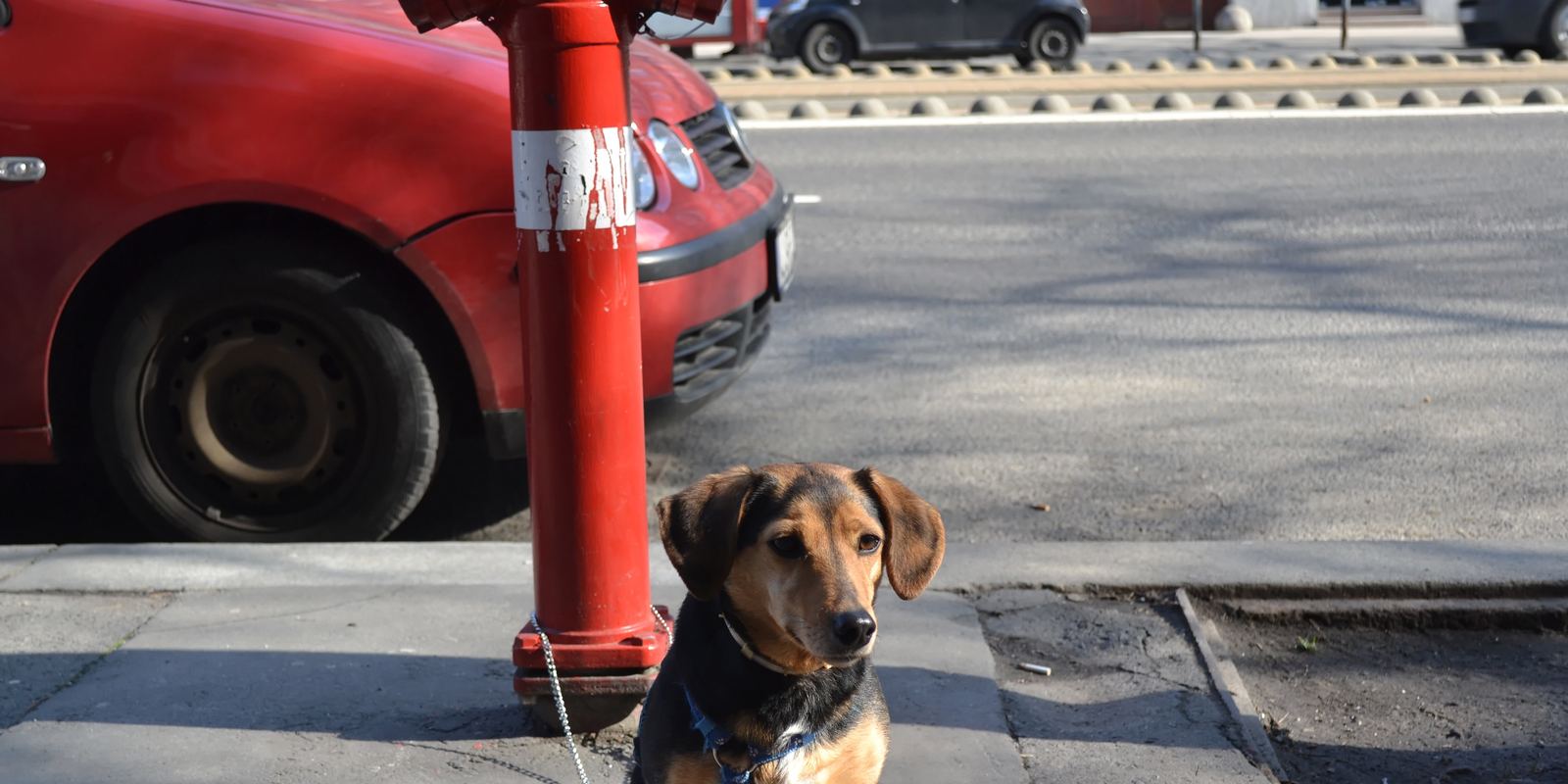
A Dachshund on a walk: Slyronit, CC BY-SA 4.0
Where the breed comes from
Dachshund means badger dog in German. Hunters in Germany bred these long, low dogs to follow badgers into their tunnels, and the breed's deep chest, strong paws and loud bark all served that job.
Three coat types developed: smooth, wirehaired and longhaired, each in standard and miniature sizes.
Personality and family life
Dachshunds are bold, lively and loyal, with a bigger bark than you would expect. They can be independent and stubborn, so training needs patience and rewards. Many love to burrow under blankets.
Daily care: exercise, grooming, training
Moderate daily walks and play are enough. Keep them lean, because extra weight strains the back. Use ramps or steps for sofas and beds, and carry them on stairs where possible. Grooming depends on coat: smooth coats are easy, longhaired coats need regular brushing and wirehaired coats need occasional hand stripping.
Is this breed right for you?
Great for people who want a small, brave dog with a big personality, in a city flat or a house. Less suited to homes with many stairs and no way to carry the dog, or to owners who dislike barking and digging.
Fun facts
A colourful Dachshund named Waldi was the mascot of the 1972 Munich Olympic Games, the first official Olympic mascot. Dachshund races, often called wiener dog races, are popular charity events in the US, and the breed has long been a symbol of Germany.
A day in the life
A typical day with a Dachshund includes two or three moderate walks, some digging or sniffing time in a safe area, and plenty of naps in a warm, burrow-like bed. Lift them correctly by supporting both the chest and the back end, and keep jumps off high furniture to a minimum. Many are vocal watchdogs who announce every visitor.
Health and good to know
Their long spine makes them prone to intervertebral disc disease (IVDD). Sudden reluctance to move, a hunched back or wobbly legs need a vet visit right away.
Every pet is an individual, so use this as a starting point and ask your vet about diet, vaccines and health checks for your own animal.
- A Dachshund on a walk: Slyronit, CC BY-SA 4.0
Text written by Most Beautiful Pets.