Shiba Inu
Japan's small, spirited native dog. The Shiba Inu is Japan's smallest native breed, a fox-like spitz famous for confidence. History, temperament, grooming and training tips.
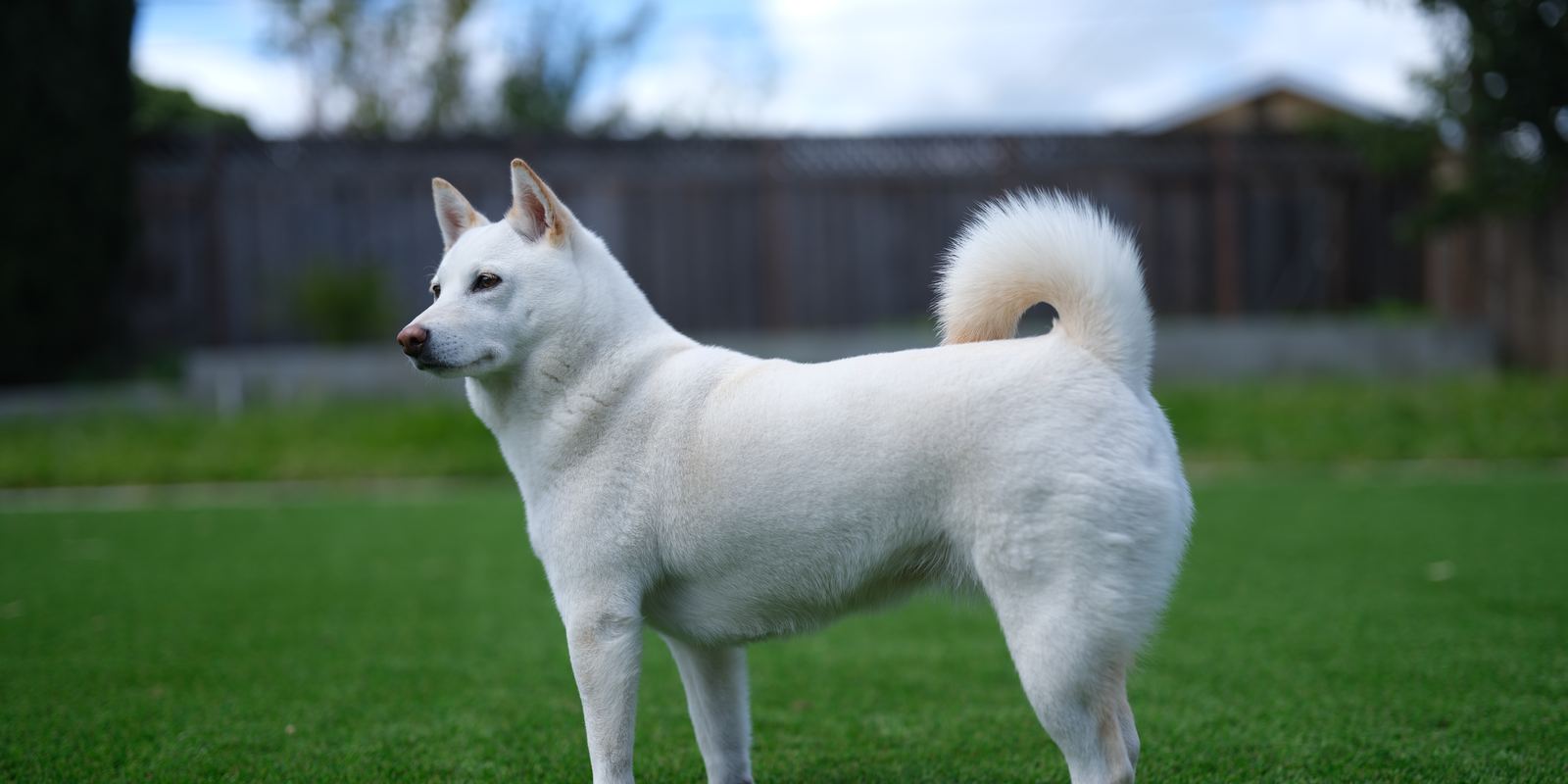
A cream Shiba Inu: Dllu, CC BY-SA 4.0
Where the breed comes from
The Shiba is one of Japan's oldest native breeds and the smallest of them, originally used to flush birds and small game in mountain brush. The breed almost disappeared in the mid 1900s, and Japanese breeders rebuilt it from surviving bloodlines.
Personality and family life
Shibas are alert, independent and clean, often compared to cats. They can be aloof with strangers and are not usually cuddly on demand. Many are vocal when unhappy, with a high-pitched sound fans call the Shiba scream.
Daily care: exercise, grooming, training
Daily walks and play keep them fit. Because of their strong prey drive and independent streak, most should stay on a lead outside fenced areas. Their double coat sheds heavily twice a year. Early socialisation and patient, reward-based training help a lot.
Is this breed right for you?
Great for owners who appreciate an independent, clean and confident dog, and who enjoy patient, positive training. Less suited to people who want an eager-to-please, cuddly dog, or to homes where the dog would be off lead in open areas.
Fun facts
Japan protects the Shiba and several other native breeds as natural monuments, a status the Shiba received in the 1930s. Shibas often groom themselves like cats and are usually easy to house train. The breed became an internet favourite thanks to its expressive face.
A day in the life
A typical day with a Shiba includes two good walks on a secure harness, some training with tasty rewards and quiet time to themselves. Shibas often dislike having their feet or nails handled, so practise gently from puppyhood. They are usually clean and quiet indoors, and many choose a favourite high spot to watch the household.
Health and good to know
If you are adopting, look for a breeder who raises puppies in the home and starts handling and socialisation early, or contact a Shiba rescue, where adult dogs with known personalities often need homes.
Allergies, knee problems (luxating patella) and eye conditions can occur in the breed.
Every pet is an individual, so use this as a starting point and ask your vet about diet, vaccines and health checks for your own animal.
- A cream Shiba Inu: Dllu, CC BY-SA 4.0
Text written by Most Beautiful Pets.