Labrador Retriever
The friendly all-rounder. The Labrador Retriever came from Newfoundland fishing dogs and became a top family breed. Size, temperament, exercise and care basics.
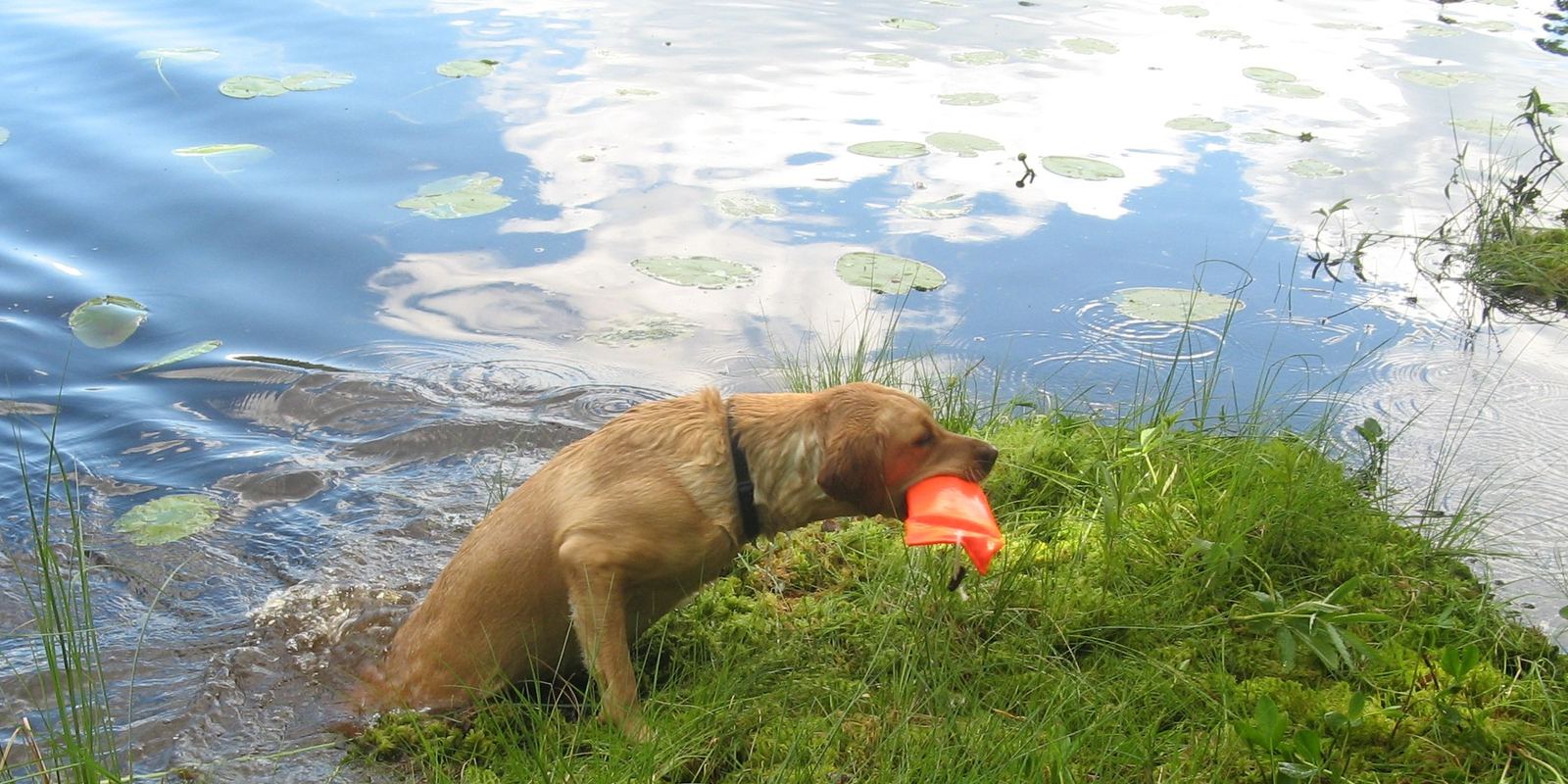
A yellow Lab on the move: Ataman62, CC BY-SA 3.0
Where the breed comes from
Labradors descend from the St. John's water dogs that helped fishermen in Newfoundland haul nets and fetch fish from icy water. British breeders brought them across the Atlantic in the 1800s and refined them into the gundog we know, a retriever that brings game back gently without damaging it.
The breed's short, dense, water-resistant coat and thick otter tail are still signs of that working past.
Personality and family life
Labs are famous for being outgoing, eager to please and friendly with almost everyone, which is why they were the most registered breed with the American Kennel Club for three decades. They are popular as guide dogs, therapy dogs and search dogs, and they usually get along well with children and other pets.
That friendliness comes with a lot of energy. Young Labs can be bouncy and mouthy, and they love to chew.
Daily care: exercise, grooming, training
Plan on at least an hour of activity a day: walks, swimming, fetch and scent games all suit them. Their double coat sheds a lot, especially twice a year, so weekly brushing helps. Short, reward-based training sessions work well because Labs love food and praise.
Labradors are known for big appetites, so measure meals and count treats to keep them lean.
Is this breed right for you?
Great for active families who want a friendly, trainable dog and do not mind dog hair, muddy paws and a lot of enthusiasm. Less suited to people who are out all day or want a calm, low-energy companion, at least for the first few years.
Fun facts
Labs come in three accepted colours, and a single litter can contain more than one. Many Labs carry a gene variant linked to a stronger appetite, which helps explain why they are so food motivated. Their webbed toes and otter tail make them powerful swimmers, and many will happily retrieve from water all afternoon.
Health and good to know
The breed can be prone to hip and elbow dysplasia, eye conditions and obesity. Responsible breeders health-test parents for these problems.
Every pet is an individual, so use this as a starting point and ask your vet about diet, vaccines and health checks for your own animal.
- A yellow Lab on the move: Ataman62, CC BY-SA 3.0
Text written by Most Beautiful Pets.