Pomeranian
A big personality in a tiny fluff. The Pomeranian is a tiny spitz with a huge coat and a bold attitude. Its history, size, grooming, dental care and safety tips for small dogs.
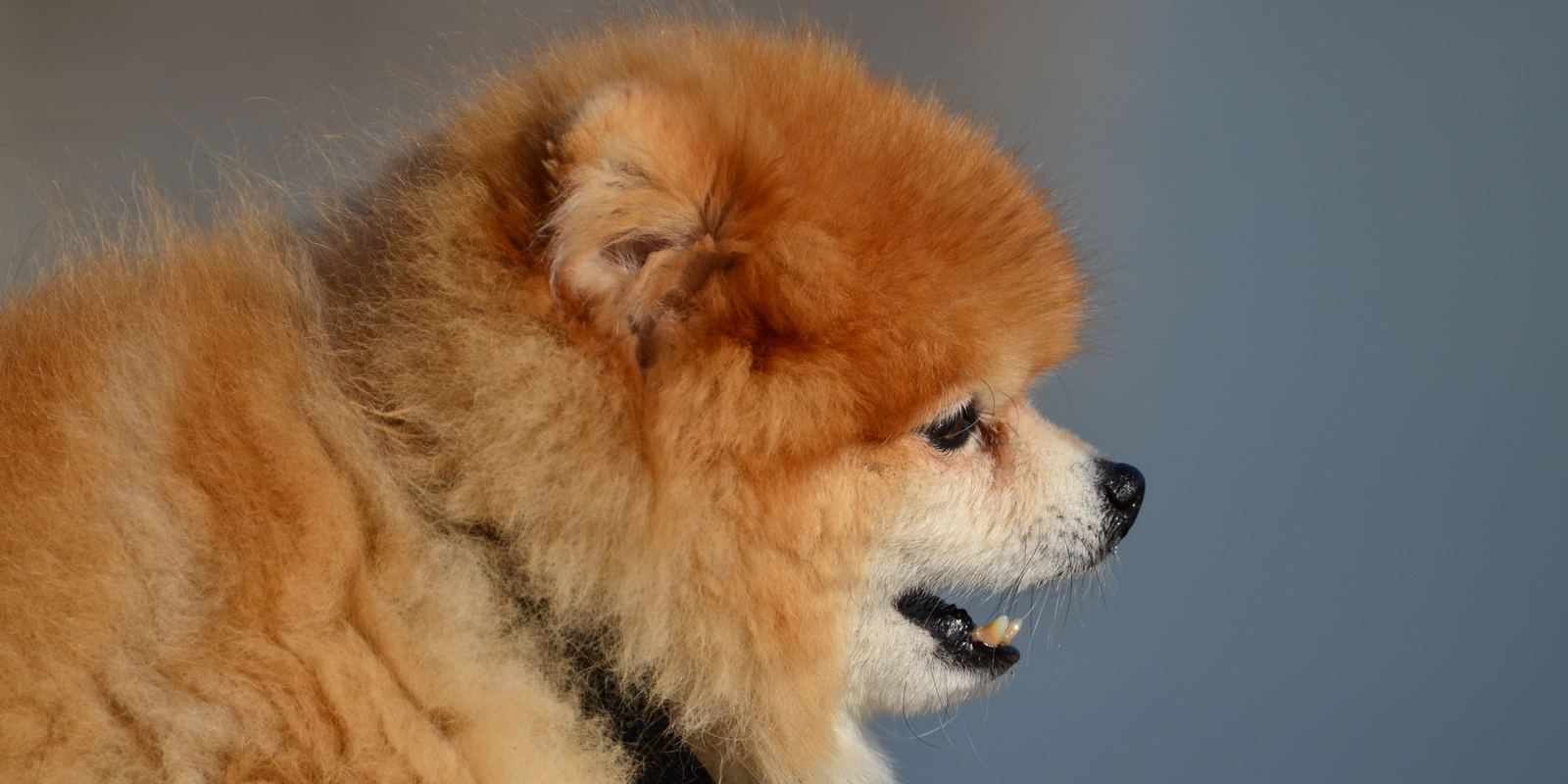
A Pomeranian: Горбунова М.С., CC BY-SA 4.0
Where the breed comes from
Pomeranians are named after Pomerania, a region on the Baltic coast now split between Germany and Poland. Their ancestors were larger spitz dogs. British breeders in the 1800s selected smaller dogs, and royal enthusiasm for the breed made tiny Poms fashionable.
Personality and family life
Poms are curious, confident and lively, and they often act much bigger than they are. They are alert little watchdogs and can be barky without training. They suit adults and older children who handle them gently.
Daily care: exercise, grooming, training
Short walks and indoor play are enough exercise. The thick double coat needs brushing a few times a week. Small mouths crowd teeth, so daily tooth brushing is a good habit.
Is this breed right for you?
Great for adults and older children who want a tiny, lively companion that suits apartments. Less suited to homes with toddlers who might drop or squeeze a small dog, or to owners who dislike barking or grooming.
Fun facts
Pomeranians come in more than twenty colours, with orange and cream among the most familiar. Puppies go through an awkward stage, often called the puppy uglies, when the baby coat sheds before the adult coat grows in. A Pom's coat should not be shaved short, because it may not grow back normally.
A day in the life
A typical day with a Pomeranian includes two short walks, indoor games of chase and fetch, a few minutes of brushing and short training sessions to manage barking. Poms love to be the centre of attention and often learn tricks quickly. Keep an eye on them around large dogs and in open areas, because birds of prey can be a risk for very small dogs.
Health and good to know
Watch for knee problems (luxating patella), dental disease and a windpipe condition called tracheal collapse; a harness is kinder than a collar. Tiny dogs can be hurt by falls, so help them on and off furniture.
Every pet is an individual, so use this as a starting point and ask your vet about diet, vaccines and health checks for your own animal.
- A Pomeranian: Горбунова М.С., CC BY-SA 4.0
Text written by Most Beautiful Pets.