Foods That Are Toxic to Pets
What to keep off the floor. Chocolate, grapes, onions, xylitol and lilies are among the common household dangers for dogs, cats and birds. What to do in an emergency.
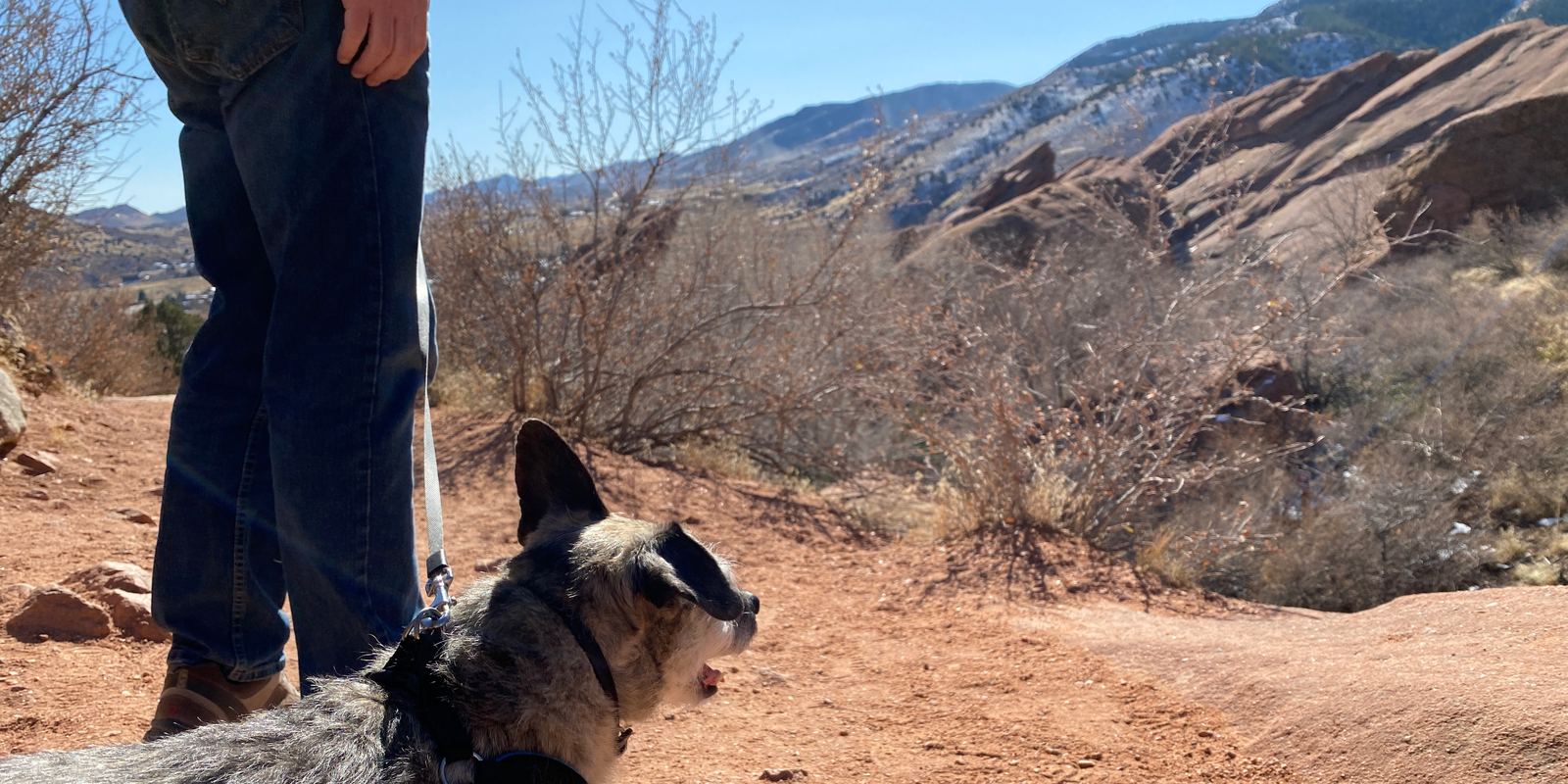
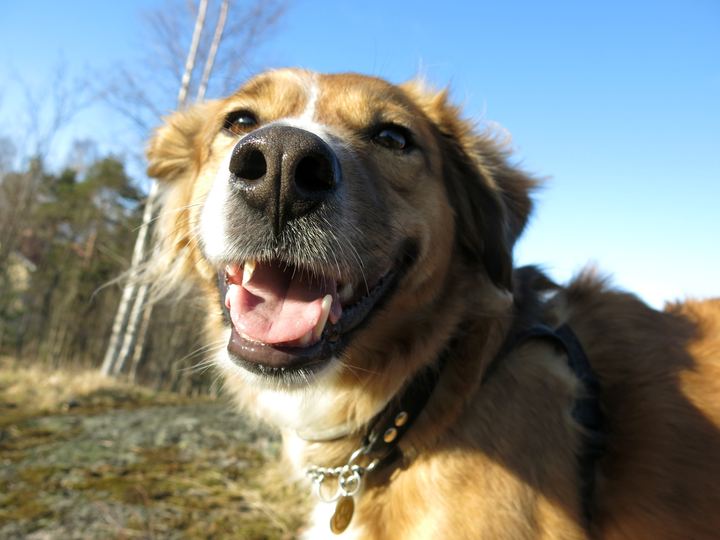
A dog out for a walk: Lovemedead, CC BY-SA 4.0
Why human food can be dangerous
Pets process some foods very differently from people. A treat that is harmless to us can damage a dog's kidneys or a cat's liver. Most poisonings happen by accident: a dropped snack, a handbag left open, a bouquet of flowers on the table.
The most common culprits
Chocolate contains theobromine and caffeine, which dogs clear slowly; dark and baking chocolate are the most dangerous. Grapes and raisins can cause sudden kidney failure in dogs, even in small amounts. Xylitol, a sweetener in some gum, sweets and peanut butters, can cause a dangerous drop in blood sugar in dogs.
Onions, garlic, leeks and chives damage red blood cells in dogs and cats. Macadamia nuts can make dogs weak and wobbly. For cats, every part of true lilies, even pollen or water from the vase, can cause kidney failure. Avocado is toxic to birds.
What to do if your pet eats something
Stay calm and act quickly. Remove any remaining food, note what was eaten, how much and when, and call your vet or an emergency clinic. In the US, the ASPCA Animal Poison Control Center is available around the clock on (888) 426-4435, and a consultation fee may apply. Do not try to make your pet vomit unless a vet tells you to.
Prevention habits
Some garden and household items are risky too: certain mushrooms, sago palms, antifreeze, rodent baits, slug pellets and some human medicines such as ibuprofen and paracetamol. Keep emergency numbers on your phone and on the fridge, including your vet and the nearest out-of-hours clinic.
Keep food off low tables and counters, close bins, store sweets and medicines high up, and ask guests not to feed pets from their plates. Choose pet-safe flowers if you have cats. Teaching a solid leave it cue to dogs can stop a problem before it starts. Every pet is an individual, so use this as a starting point and ask your vet about diet, vaccines and health checks for your own animal.
- A dog out for a walk: Lovemedead, CC BY-SA 4.0
Text written by Most Beautiful Pets.