Goldfish
Not a bowl fish. Goldfish were bred in China over a thousand years ago and can live for decades. Why they need big filtered tanks, and how to keep them well.
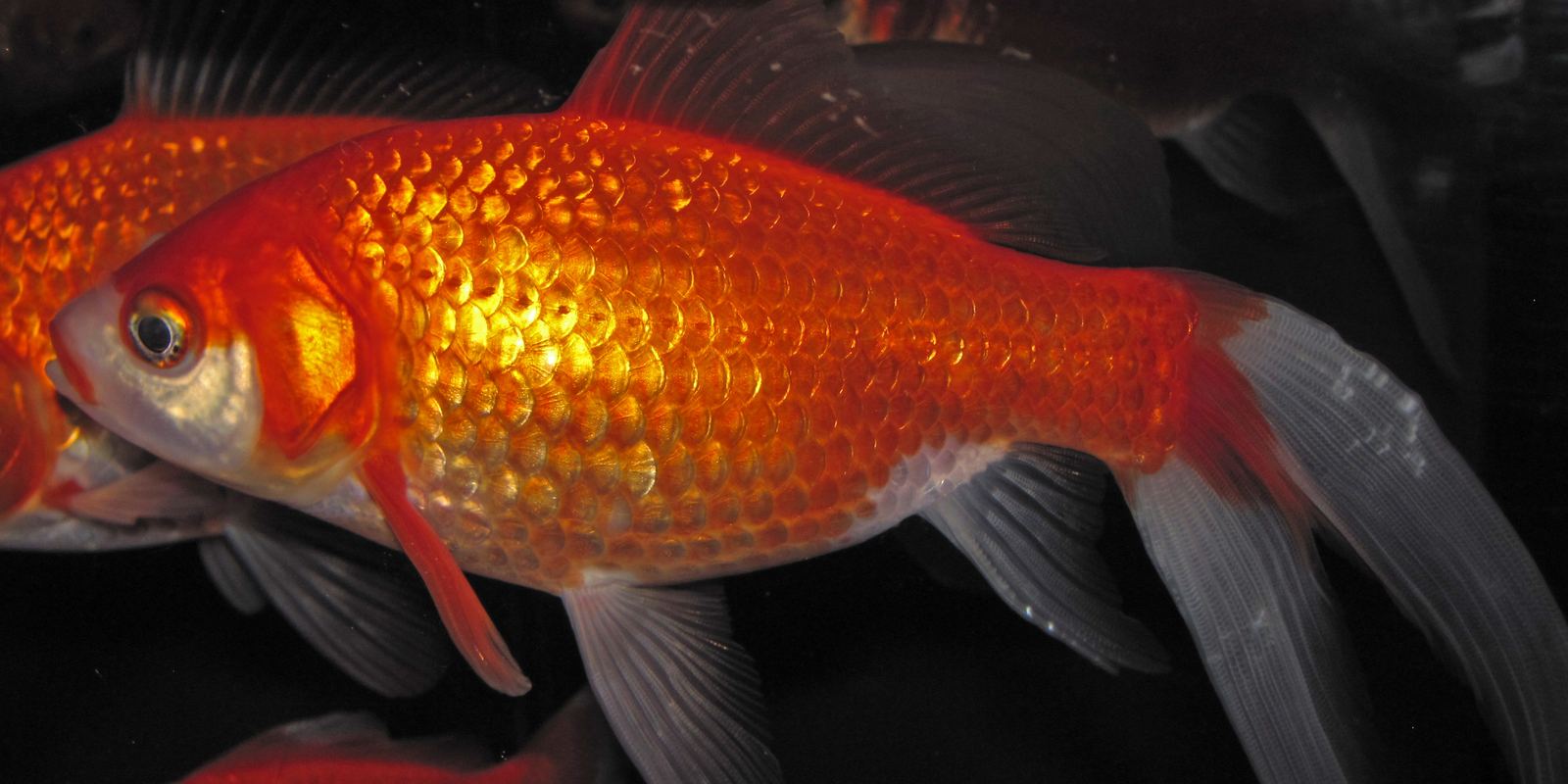
A goldfish: James St. John, CC BY 2.0
A fish with a long history
Goldfish come from wild carp in China. Keepers noticed and bred golden coloured fish more than a thousand years ago, first in ponds and later in bowls and tanks. Selective breeding produced dozens of fancy varieties with double tails, raised scales or bubble eyes.
Why bowls are a bad idea
Goldfish produce a lot of waste and grow much bigger than many people expect. Small bowls let ammonia build up quickly and stunt the fish. Welfare groups recommend a large, filtered aquarium, or a pond for single-tailed types such as comets, which can grow long and fast.
Setting up a goldfish tank
Cycle the filter before adding fish, so helpful bacteria can break down waste. Use a water conditioner to remove chlorine, change part of the water every week and test for ammonia and nitrite. Fancy goldfish are slow swimmers and are best kept with other fancies, not fast comets.
Feed small amounts once or twice a day, only what they eat in a couple of minutes.
A day in the life
A typical week with goldfish includes a daily look to check every fish is swimming normally, small feeds once or twice a day, and a partial water change with a gravel vacuum. Watch for clamped fins, white spots or floating problems, which can signal water quality issues or illness. Good water is the key to healthy goldfish.
Long lives
Good starter kit: the largest tank you can fit, a filter rated for more than the tank volume, a water conditioner, a test kit, a gravel vacuum and smooth decorations without sharp edges. Fancy goldfish appreciate open swimming space and gentle water flow.
Well-kept goldfish often live well over a decade, and some have reached ages in their forties, making them a real long-term pet. Never release goldfish into lakes or rivers: they can grow huge and harm native wildlife. If you can no longer care for them, contact a local aquarium club or rescue. Every pet is an individual, so use this as a starting point and ask your vet about diet, vaccines and health checks for your own animal.
- A goldfish: James St. John, CC BY 2.0
Text written by Most Beautiful Pets.