Bengal Cat
Wild looks, playful heart. The Bengal is an athletic cat with a spotted or marbled coat, developed from crosses with the Asian leopard cat. History, energy and care.
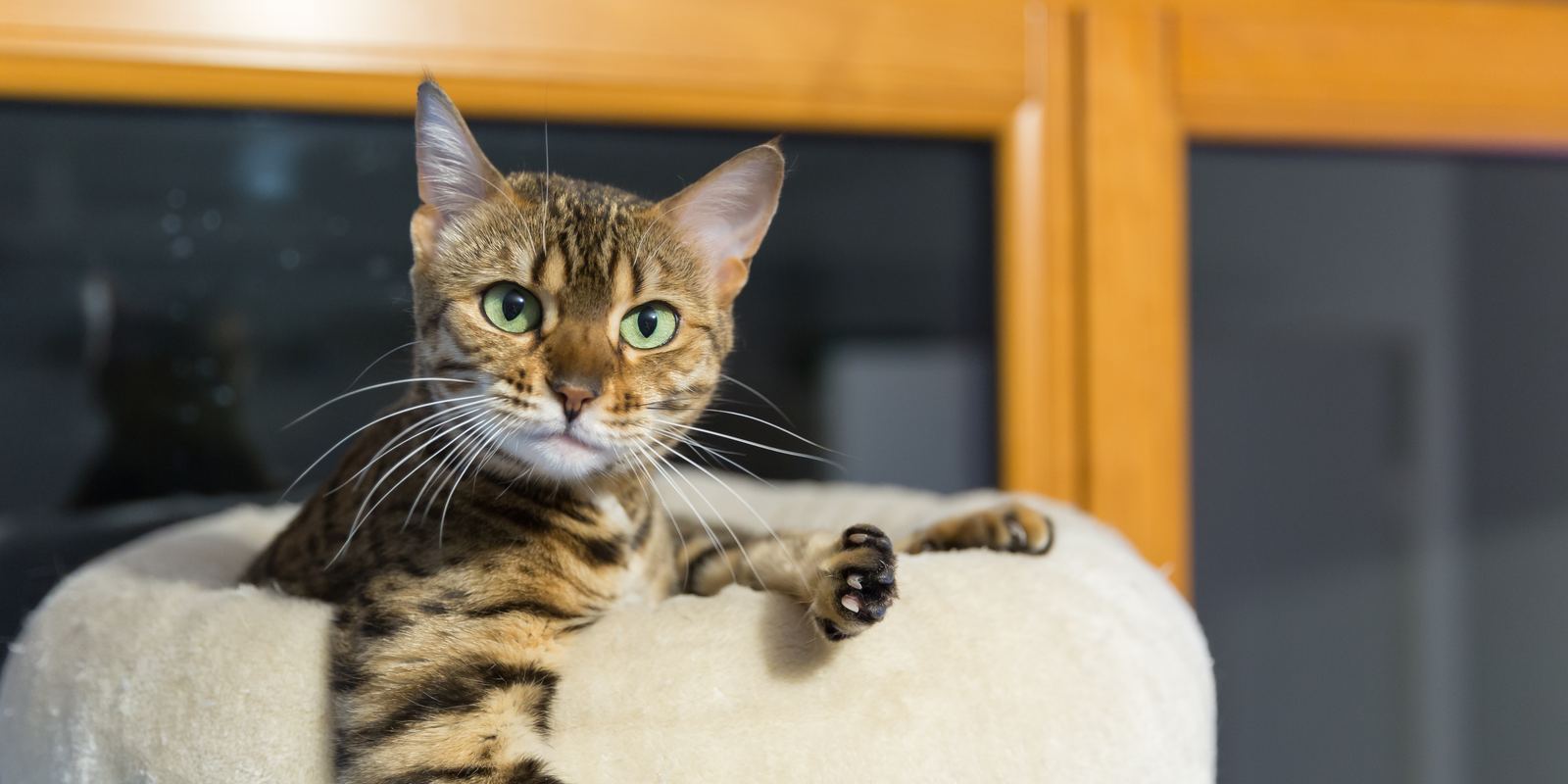
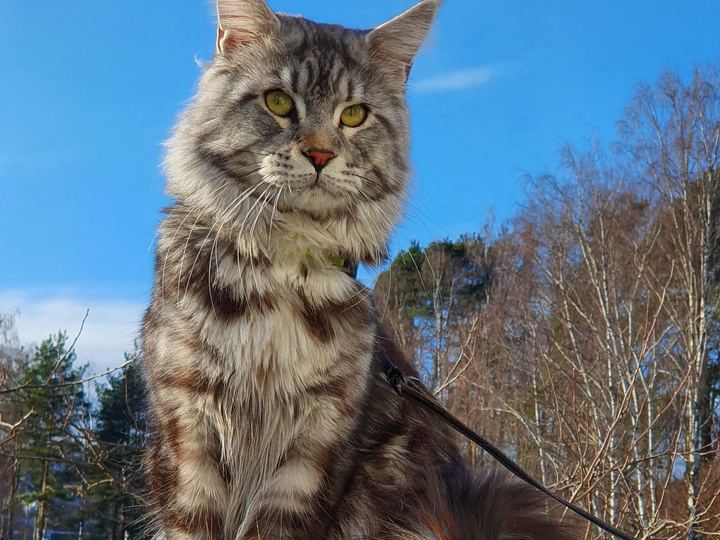
A spotted Bengal: Another one of my pictures: This photograph was taken by Medium69 (William Croch, CC BY-SA 4.0
Where the breed comes from
The Bengal was developed in the US by crossing domestic cats with the Asian leopard cat, a small wild cat. Breeder Jean Mill is credited with much of the early work. Pet Bengals today are several generations removed from the wild ancestor.
In some places, early-generation hybrids are regulated, so check local rules.
Personality and family life
Bengals are energetic, smart and confident. Many love water, fetch and climbing, and they demand attention. They suit active homes and may be too much for owners who want a lap cat.
Daily care: exercise, grooming, training
Give them tall cat trees, puzzle feeders, daily interactive play and safe outdoor time such as a catio or harness walks. Their sleek coat needs little grooming.
Is this breed right for you?
Great for active households that love interactive play and want a dog-like, curious cat. Less suited to people who want a quiet lap cat or are away all day, because a bored Bengal can become destructive.
Fun facts
Many Bengals have a glitter gene that makes the coat shimmer in sunlight. Some learn to turn on taps, open doors and play fetch. Snow Bengals have pale coats with blue or green eyes. Bengals often get along with confident dogs and other active cats when introduced carefully.
A day in the life
A typical day with a Bengal includes vigorous play sessions, climbing, puzzle feeders and perhaps a harness walk or time in a secure catio. Some owners provide a cat wheel for exercise. Rotate toys often so they stay interesting. Bengals usually want to be involved in whatever you are doing, including cooking and showering.
Health and good to know
If you are buying a Bengal kitten, ask to meet the mother, check that the kitten is several generations from the wild ancestor, and ask for the health test results of both parents.
Health checks to ask about include heart screening and an inherited eye condition (PRA-b) that can be DNA tested.
Every pet is an individual, so use this as a starting point and ask your vet about diet, vaccines and health checks for your own animal.
- A spotted Bengal: Another one of my pictures: This photograph was taken by Medium69 (William Croch, CC BY-SA 4.0
Text written by Most Beautiful Pets.