Sphynx Cat
Hairless, warm and very social. The Sphynx is a hairless cat breed from a natural mutation found in Canada. Skin care, warmth, allergies myths and personality.
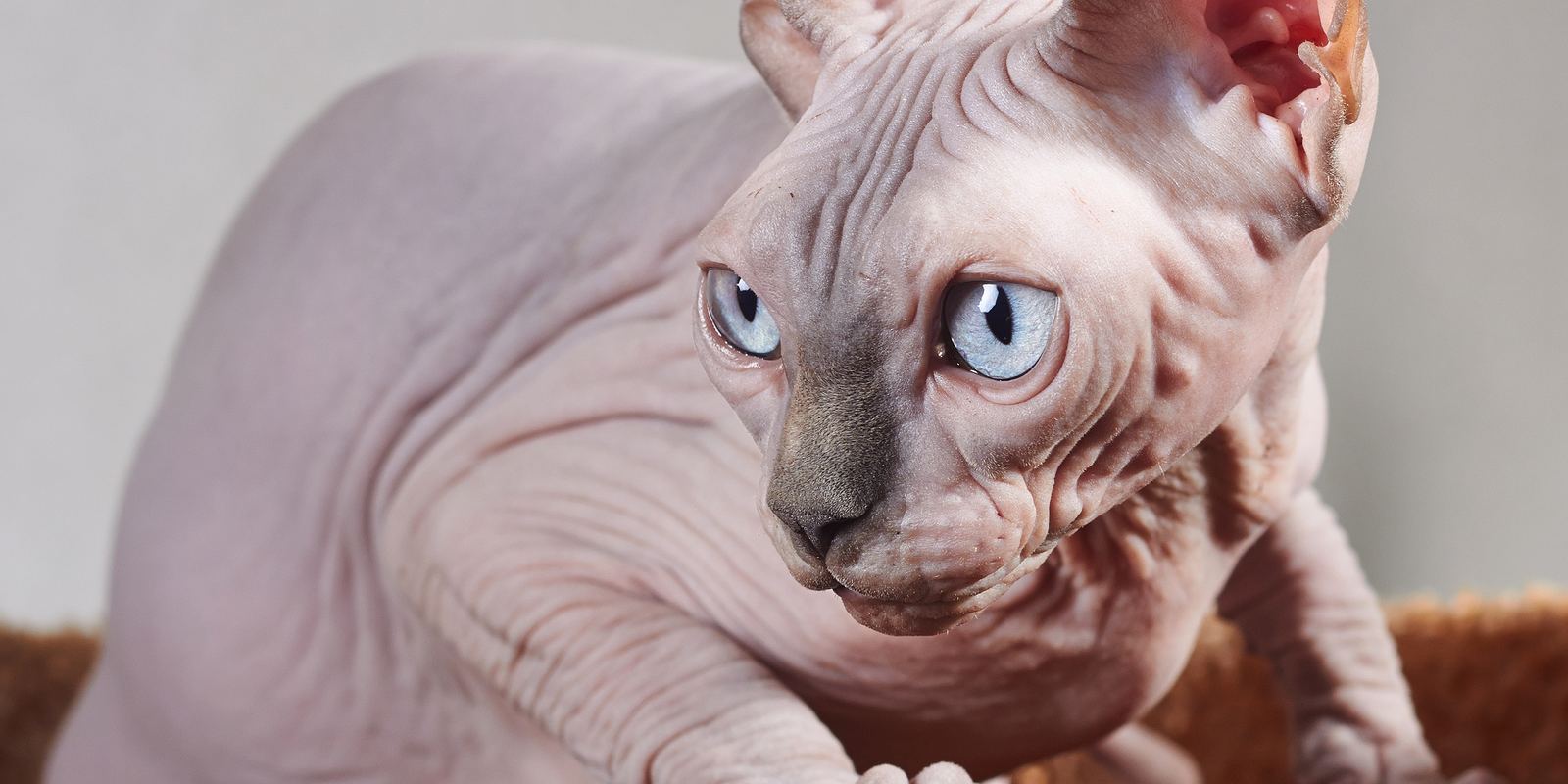
A Sphynx cat: Dmitry Makeev, CC BY-SA 4.0
Where the breed comes from
The modern Sphynx traces back to a hairless kitten born in Toronto in 1966, the result of a natural genetic mutation. Breeders later developed the line, adding other cats to widen the gene pool.
Personality and family life
Sphynx cats are famous for being social and clingy in the best way. They love warmth, cuddles and being involved in everything, and they usually get along with other pets and visitors.
Daily care: exercise, grooming, training
Without fur to absorb oils, the skin gets greasy, so most need regular baths and ear cleaning. Keep them warm in winter, perhaps with a sweater, and protect them from strong sun, because they can get sunburnt. They eat a little more to stay warm.
Is this breed right for you?
Great for people who want an extremely affectionate, social cat and are happy to bathe it and keep it warm. Less suited to anyone hoping for an allergy-free cat or a low-maintenance pet.
Fun facts
Sphynx cats feel warm and soft, often compared to suede or a peach. Their skin shows the colour and pattern they would have had in fur. Other hairless breeds, such as the Donskoy and Peterbald, come from different genetic mutations.
A day in the life
A typical day with a Sphynx includes cuddles, play, warm sleeping spots such as heated beds and blankets, and a weekly bath or wipe-down. Clean ears and nail beds often, because oils build up there. In winter, keep the home warm, and in summer, keep them out of strong direct sun.
Health and good to know
If you are thinking of a Sphynx, visit a breeder or rescue and spend time with adult cats first, both to check for allergies and to see how much attention these sociable cats really want.
Being hairless does not make them allergy free: the main cat allergen is a protein in saliva and skin. The breed has a risk of heart disease, so ask about screening.
Every pet is an individual, so use this as a starting point and ask your vet about diet, vaccines and health checks for your own animal.
- A Sphynx cat: Dmitry Makeev, CC BY-SA 4.0
Text written by Most Beautiful Pets.