Abyssinian Cat
The ticked-coat athlete. The Abyssinian is a slender, ticked-coat cat full of energy and curiosity. Where the name comes from, personality, care and health.
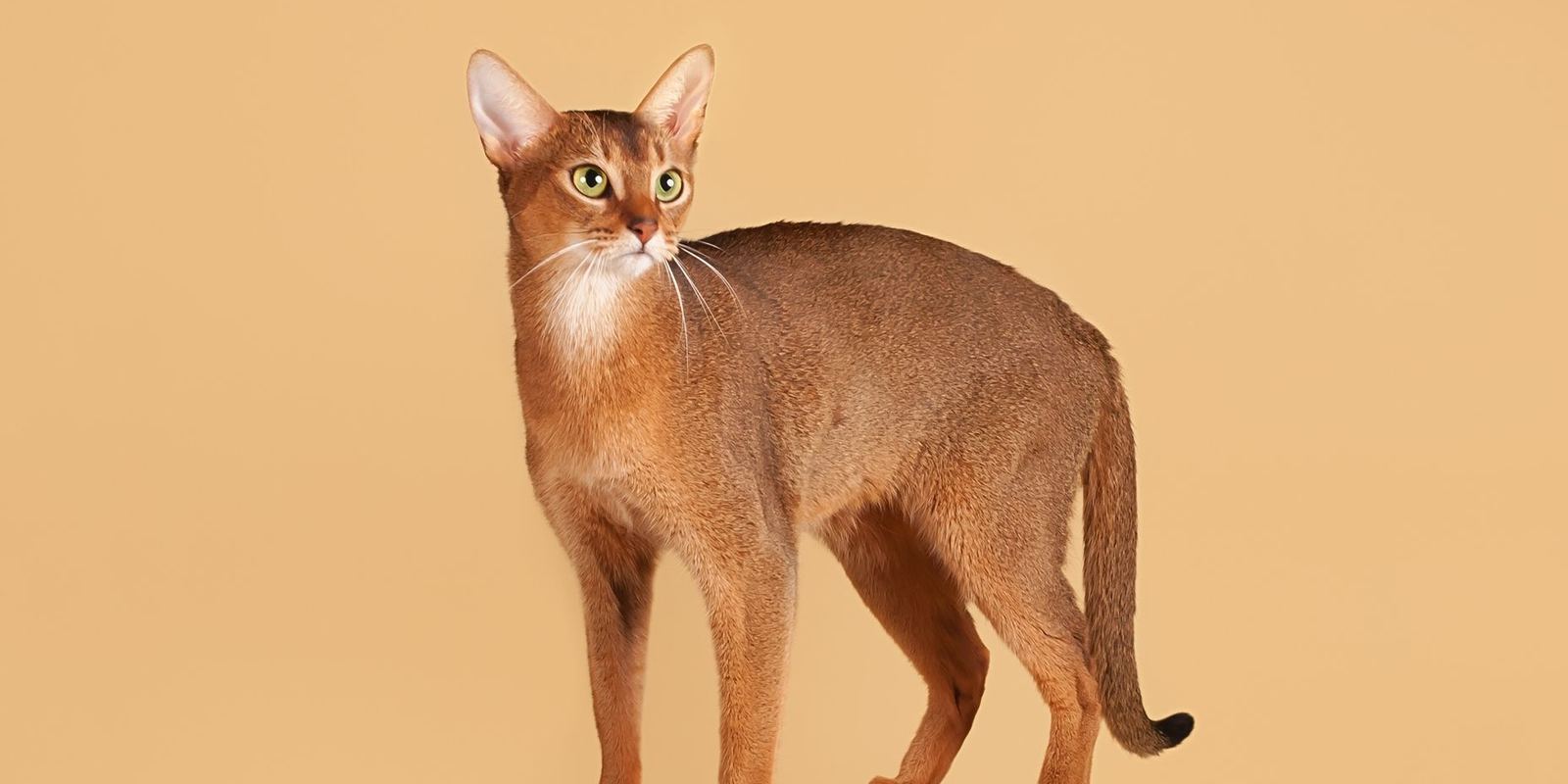
An Abyssinian cat: Oleg Royko, CC BY-SA 4.0
Where the breed comes from
Abyssinians are one of the oldest recognised breeds. The name comes from a cat said to have been brought to Britain from Abyssinia, now Ethiopia, in the 1860s, though genetic studies suggest the breed's roots may lie around the Indian Ocean coast and Southeast Asia.
Personality and family life
Abys are busy, clever and playful. They love heights, toys and watching what you are doing, and they are not usually lap cats until they are tired out. They do well with active families and other playful pets.
Daily care: exercise, grooming, training
Their short coat needs little grooming. Provide climbing shelves, cat trees and daily play sessions. Food puzzles help satisfy their curiosity.
Is this breed right for you?
Great for active homes that enjoy playing with their cat and have plenty of vertical space. Less suited to people who want a quiet lap cat or are away all day.
Fun facts
Each hair of an Abyssinian's coat has bands of colour, which creates the ticked effect. Common colours include ruddy, red (sorrel), blue and fawn. A long-haired version of the breed is called the Somali. Abys are known for following their owners from room to room to supervise.
A day in the life
A typical day with an Abyssinian means action: climbing to the top of shelves, chasing toys, exploring cupboards and supervising every task. Provide tall cat trees, wall shelves and daily interactive play. Many Abys enjoy a companion cat with a similar energy level.
Health and good to know
If you are choosing an Aby, ask breeders about DNA tests for the parents and about the kitten's early socialisation. Adult Abyssinians in rescue can be a great match for families who already know they want an active cat. Expect a cat that wants to be part of every activity in your home.
The breed can carry inherited eye disease (PRA) and a blood condition (pyruvate kinase deficiency); DNA tests are available. Dental care matters too.
Every pet is an individual, so use this as a starting point and ask your vet about diet, vaccines and health checks for your own animal.
- An Abyssinian cat: Oleg Royko, CC BY-SA 4.0
Text written by Most Beautiful Pets.