Guinea Pigs
Chatty, social and full of squeaks. Guinea pigs are social rodents from the Andes that need company, hay and vitamin C every day. Housing, diet and care basics for owners.
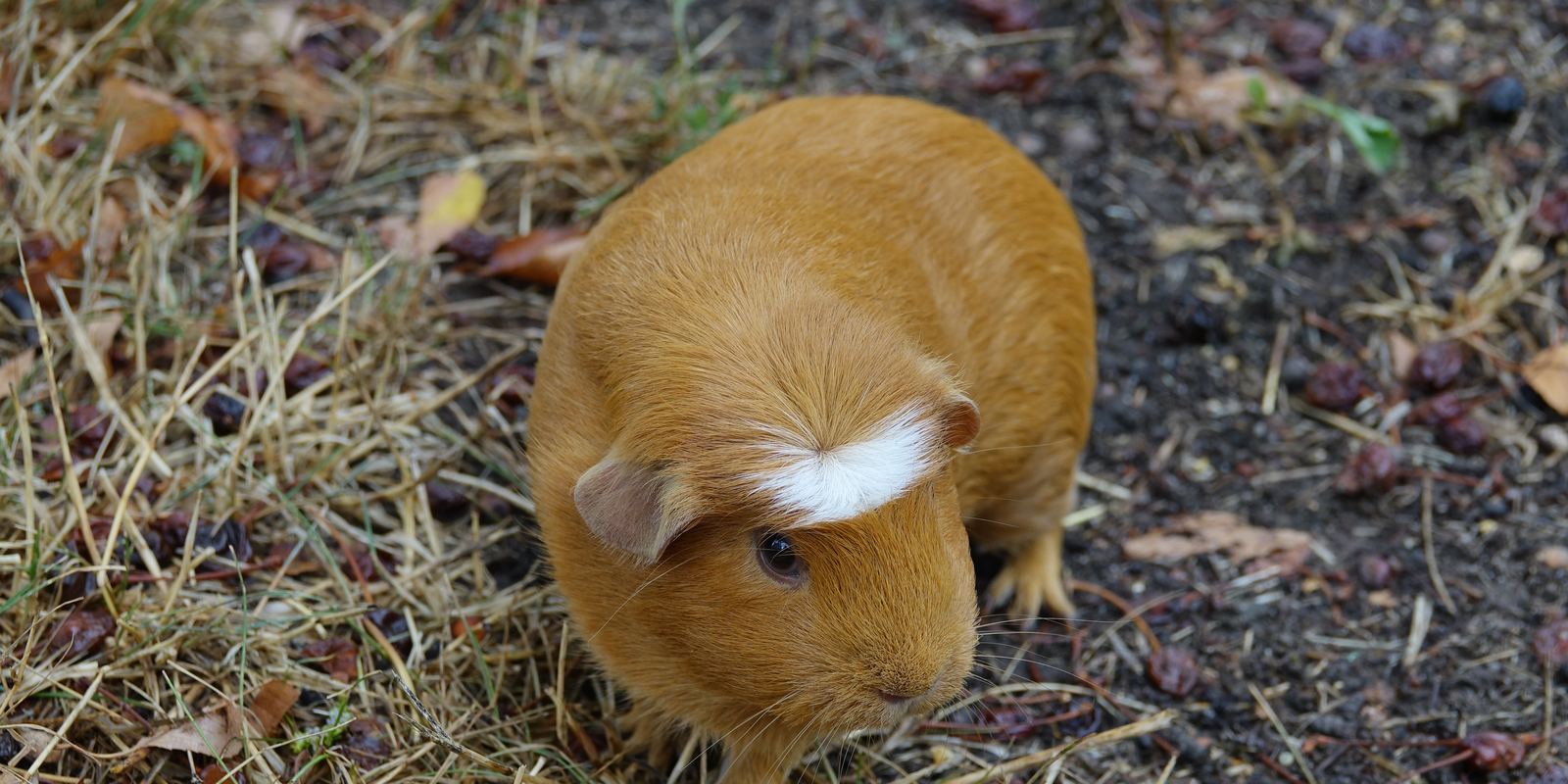
A guinea pig: Gzen92, CC BY-SA 4.0
From the Andes to our homes
Guinea pigs were domesticated thousands of years ago in the Andes of South America. Despite the name, they are not pigs and do not come from Guinea; they are rodents related to chinchillas.
Today they are among the most popular small pets because they are gentle, rarely bite and are active during the day.
Company and housing
Guinea pigs are herd animals and welfare groups such as the RSPCA advise keeping at least two together, for example two females or a neutered male with a female. A lonely guinea pig can become stressed.
They need a large, solid-floored enclosure with hiding places, deep bedding and daily time in a safe run. Wire floors hurt their feet. Keep them away from draughts and heat, because they overheat easily.
Diet: hay and vitamin C
Unlimited fresh hay should make up most of the diet, because it keeps their constantly growing teeth worn down and their gut healthy. Add a portion of guinea pig pellets and fresh leafy vegetables daily.
Like humans, guinea pigs cannot make their own vitamin C, so they need it from food every day, for example from bell peppers and leafy greens or vitamin C fortified pellets. Lack of it causes scurvy.
Health and handling
Good starter kit: a large enclosure or indoor pen, a hay rack, two water bottles, two hides, pellets made for guinea pigs and a set of nail clippers. Floor time in a safe, enclosed area lets them run and popcorn, a happy jump guinea pigs do when excited.
Check teeth, nails and weight weekly. Weight loss, crusty eyes, diarrhoea or not eating are reasons to see a vet who knows small animals quickly, because guinea pigs hide illness. Pick them up with one hand under the chest and one supporting the back end, and hold them close.
Guinea pigs talk: a high-pitched wheek often means they hope food is coming, while a soft purr usually means contentment. Every pet is an individual, so use this as a starting point and ask your vet about diet, vaccines and health checks for your own animal.
- A guinea pig: Gzen92, CC BY-SA 4.0
Text written by Most Beautiful Pets.